[et_pb_section fb_built=”1″ admin_label=”section” _builder_version=”3.0.47″][et_pb_row admin_label=”row” _builder_version=”3.0.47″ background_size=”initial” background_position=”top_left” background_repeat=”repeat”][et_pb_column type=”4_4″ _builder_version=”3.0.47″ parallax=”off” parallax_method=”on”][et_pb_text _builder_version=”3.17.2″ background_size=”initial” background_position=”top_left” background_repeat=”repeat”]Choosing the right kitchen top material comes down to knowing which material offers the most value in both the short and long term. A shiny coated stone surface may look good on paper but it may not offer as much long-term value as a solid surface. Likewise, wood can look rustic and simple in a timeless kitchen, but in time, it may not have the same effect it had when the kitchen top material is first installed.
How to Choose Your Kitchen Top Material
Taking the time to understand how each kitchen top material works can save you a great deal of time, effort and money in the long run. On paper, you may think that certain counter tops look like an ideal choice. In reality, there are many things to consider in the process. Here are some things to keep in mind when making your final informed decision.
Stone
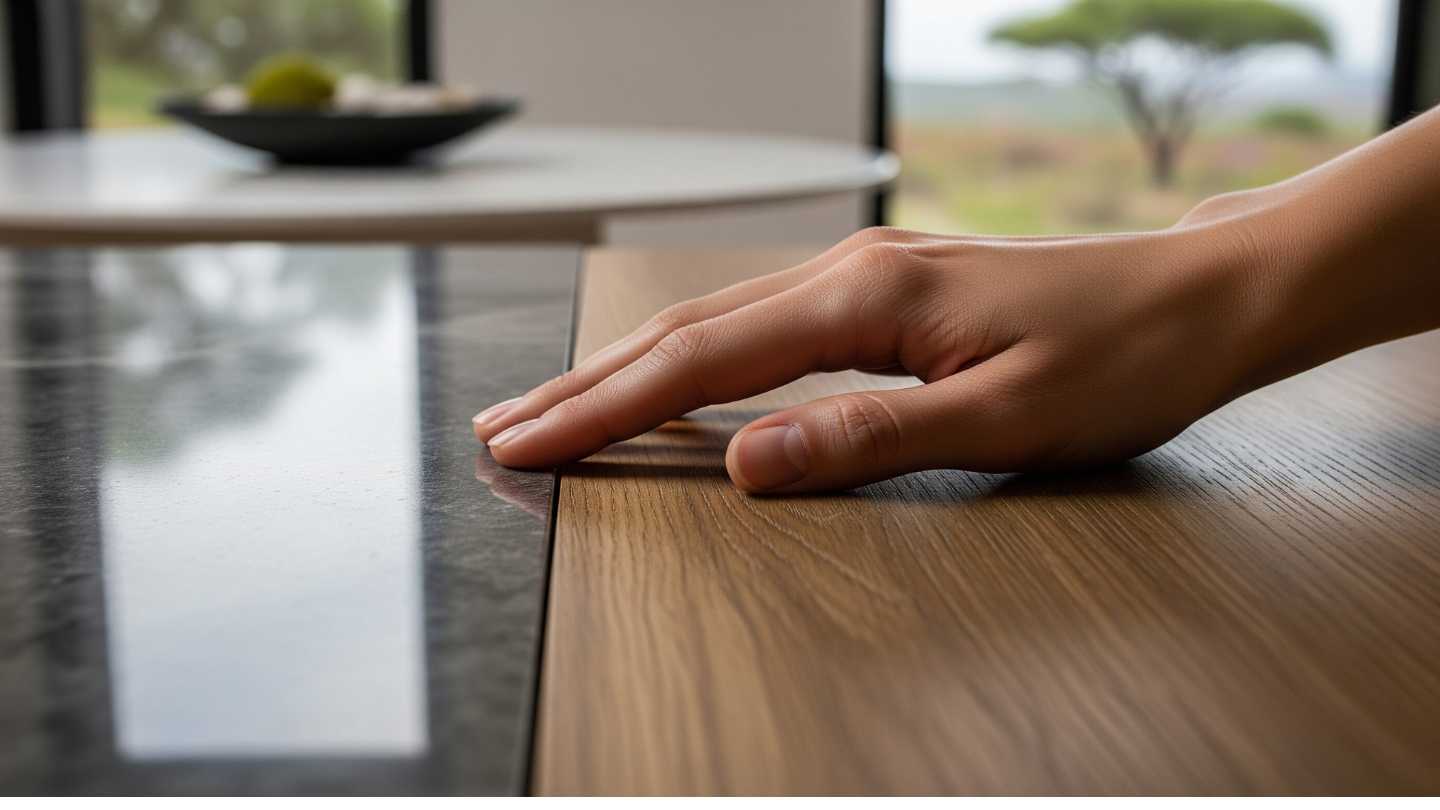
Stone is often considered to be the best choice for counter tops. Although this surface does offer some benefits, it can be limiting in a few ways. Typically, colour choice is limited to the colours found in natural stone, which can make it harder to find a colour that truly suits your kitchen. Stone can often also be porous, which affects the overall hygienic properties of the material. Depending on the finish used to coat the stone, chips and cracks can also sometimes result in visible imperfections.
Wood
Wood is affordable and generally practical, working well for the counters themselves. The challenge in using wood as a surface is that it is extremely porous and prone to stains, scratches, chips, and other imperfections. Over time, this can result in surfaces looking less than spotless. If you love the look of wood but want a surface that is able to withstand daily use without taking strain, a solid surface may just be the ideal choice.
Solid
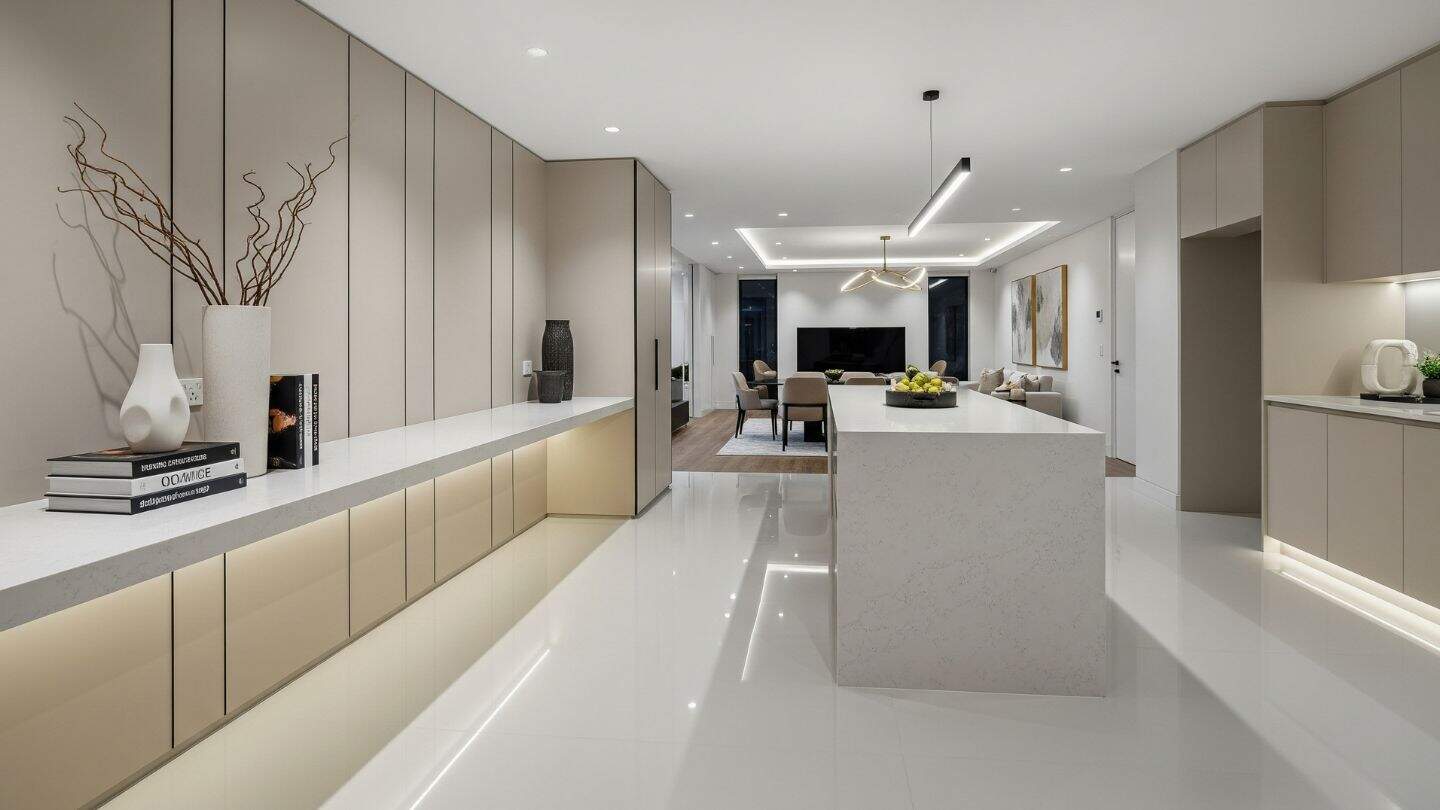
Solid surfaces are made from composite materials that are mixed with binding resin and minerals to create a smooth, seamless surface. This is by far one of the most versatile surface options for counter tops, with a large variety of colours available along with a wide choice of pattern. Engraving can also be done, making this surface one of the most diverse choices for kitchen counters.
Taking time to think carefully about what you want from your surfaces is key to choosing the kitchen counter top material that will add true value – now and further down the line.
[/et_pb_text][/et_pb_column][/et_pb_row][/et_pb_section]