
Commercial washrooms, healthcare facilities, and high-traffic hospitality interiors present demanding environments for surface materials. High humidity, frequent sanitisation cycles, and relentless physical wear quickly expose the vulnerabilities of subpar materials. Specifying architects, quantity surveyors, and main contractors face an ongoing challenge: selecting surface finishes that achieve refined aesthetic standards while maintaining exceptional mechanical performance and life-cycle cost efficiency.
When evaluating types of countertops for heavy-use applications, high-pressure laminate surfaces stand out as an exceptional engineered solution. Among the various countertop surfaces available to modern specifiers, high-pressure laminate countertops provide superior mechanical strength, non-porous hygiene, and long-term economic value.
Technical Performance: High-Pressure Laminate Countertops vs Traditional Alternatives
Selecting the correct material requires evaluating structural performance under stress, moisture resistance, and maintenance protocols. High-pressure laminate countertops are manufactured by fusing multiple layers of kraft paper impregnated with thermosetting phenolic resin under extreme hydraulic pressure and high temperatures exceeding 120 degrees Celsius. This thermal fusing process yields a dense, homogeneous composite core capped with a decorative, melamine-treated wear layer.
| Material Layer | Composition & Function |
|---|---|
| Overlay Wear Layer | Melamine resin surface layer providing high scratch and impact resistance. |
| Decorative Sheet | High-definition printed design pattern. |
| Phenolic Resin Core | Thermosetting kraft paper layers fused under high heat and pressure for structural rigidity. |
Comparing this engineered composition against alternative materials highlights clear operational distinctions:
- Natural Stone (Granite and Marble): Naturally porous and prone to micro-fissures. Natural stone requires routine chemical sealing to prevent liquid infiltration, staining, and bacterial growth. Stone is also vulnerable to cracking under thermal shock or impact loading.
- Solid Surfacing (Acrylic Composites): Offers seamless joints, but exhibits lower scratch resistance and can distort under direct exposure to high heat or aggressive solvent cleaning regimes.
- Standard Particleboard or Low-Pressure Laminates: Prone to edge delamination and core swelling when moisture penetrates seams, making them unsuitable for wet-area commercial washrooms or intensive food service environments.
High-pressure laminates feature non-porous surface characteristics, eliminating liquid absorption and providing structural resistance to impact, delamination, and abrasion in high-traffic settings.
Economic Value Proposition and Life-Cycle ROI
Initial procurement costs represent only a small fraction of a surface installation’s total cost of ownership. In commercial property development across South Africa, ongoing maintenance, unexpected repairs, and premature replacement significantly alter long-term operational expenditure.
| Material Type | Initial Material Cost | 10-Year Life-Cycle & Maintenance Profile |
|---|---|---|
| High-Pressure Laminate | Cost-Effective (RR) | Low maintenance | Exceptional durability & longevity |
| Natural Stone | High (RRRR) | High sealing costs | Crack and staining risks |
| Solid Surfacing | Moderate-High (RRR) | Moderate repair costs | Susceptible to soft wear |
Key Value Drivers for Specifiers
- Rapid Fabrication & Installation: Lower structural dead load reduces sub-structure reinforcement requirements and speeds up fitting schedules on large commercial sites.
- Minimal Maintenance Protocols: The non-porous surface eliminates the need for specialised sealants, routine polishing, or heavy chemical treatments. Standard neutral detergents keep the surface pristine.
- Exceptional Impact & Scratch Resistance: The engineered wear layer resists mechanical damage from heavy daily use, prolonging aesthetic integrity and deferring capital replacement expenses.
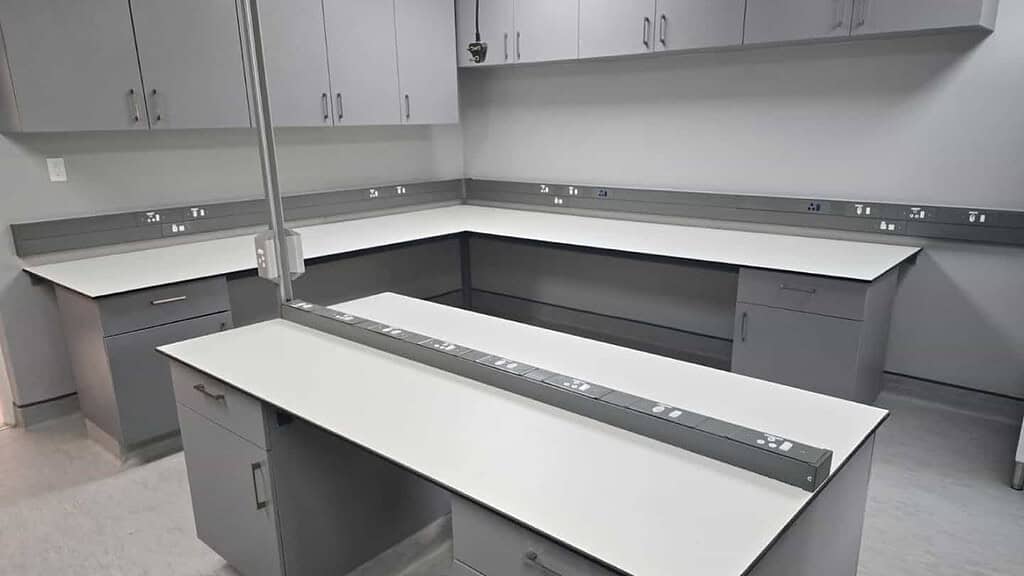
Applying versatile HPL work surfaces across washroom vanities, laboratory benches, and commercial kitchen environments ensures consistent structural integrity while significantly reducing routine operational expenses.
Versatility Across Commercial and Interior Environments
Modern architectural projects demand material continuity across diverse functional zones. While high-pressure laminates are essential in high-humidity washroom partitioning systems and cubicles, their application extends across various commercial interior layouts:
- Commercial Food Service & Catering: Hygienic, easy-to-clean surfaces prevent cross-contamination and withstand frequent exposure to commercial cleaning agents.
- Healthcare & Laboratory Settings: Chemical-resistant top coats withstand harsh surface disinfectants while maintaining a seamless, non-porous barrier against pathogens.
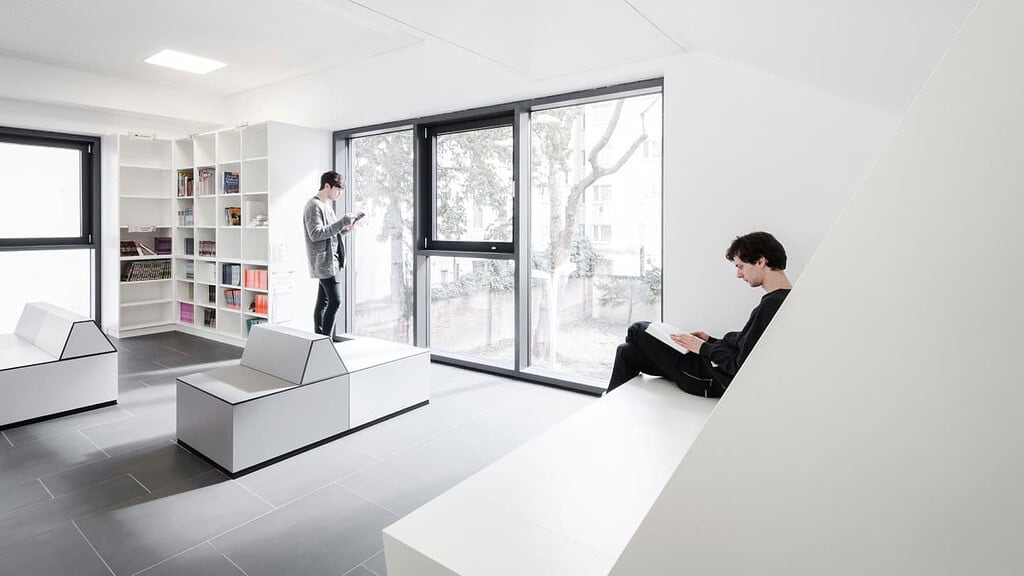
- High-Traffic Hospitality & Office Amenities: Engineered surfaces accommodate heavy daily traffic while providing a wide array of visual textures, from natural woodgrains to matte industrial finishes.
Evaluating different commercial kitchen countertop materials for corporate canteens, hospitality suites, or multi-residential developments reveals that high-pressure laminate worktops offer the ideal balance of aesthetic flexibility, impact resistance, and cost efficiency.
Specifying High-Performance Surfaces for Your Project
High-pressure laminate surfaces offer a proven, engineered solution for commercial projects that demand long-term durability, strict hygiene compliance, and refined visual appeal. Incorporating high-grade HPL work surfaces into your specification schedule ensures lasting performance across challenging interior environments.
To request technical data sheets, order material samples, or discuss project specifications with a technical surface specialist, contact the team at Salvocorp SA today.